

Treating Neck and Back Pain with Chinese Medicine
This course takes an integrative approach to treating neck and back pain and will expand our diagnostic and treatment acumen.
$45
This course takes an integrative approach to treating neck and back pain and will expand our diagnostic and treatment acumen.

This episode covers the common herb Aloe Vera. Besides covering the basics of Chinese herbology including category, and functions, we will explore the history, quality, science, pharmacology, evidence, and any potential interactions of each herb.
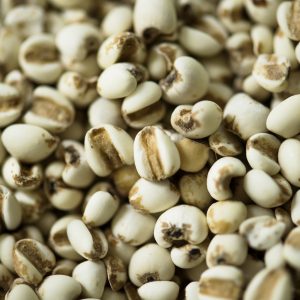
This episode covers the Chinese herb Yi Yi Ren (Chinese Pearl Barley). Besides covering the basics of Chinese herbology including category, and functions, we will explore the history, quality, science, pharmacology, evidence, and any potential interactions of each herb.

This course takes an integrative approach to treating these conditions and will expand our diagnostic and treatment acumen. It will look at how to ask questions to solicit diagnostic details, conduct a thorough acupuncture-centric exam, develop appropriate and effective treatment protocols, and properly document all of it.

Eczema and psoriasis, though both quite common, can be very difficult to treat from both a biomedical and Chinese medical perspective. This course takes a deep dive into these two conditions from both points of view.

This course looks at the biomedical side of these conditions including the pathophysiology, common (and not so common) lab tests, and treatments, mostly pharmaceuticals. Then we will look at how Chinese medicine can help.

We generally know how herbs work either from Chinese or scientific theory or a combination of both. But why do they work? What in the history of plants, animals, and evolution created the benefits of these healthy little bundles?

This course will look at basic medical ethics and how they apply to Acupuncture and Oriental Medical practices. It will cover the five basic principles/areas every practitioner should know.

This episode covers the Chinese formula Cang Er Zi San (Xanthium Powder). Besides covering the basics of Chinese herbology including category, and functions, we will explore the history, quality, science, pharmacology, evidence, and any potential interactions of each herb.

This course looks at how to do a proper chart and examines some of the common mistakes made when charting. In addition, this course will discuss medicolegal aspects of SOAP notes as well as the SOAPE note.